
Architectural Models

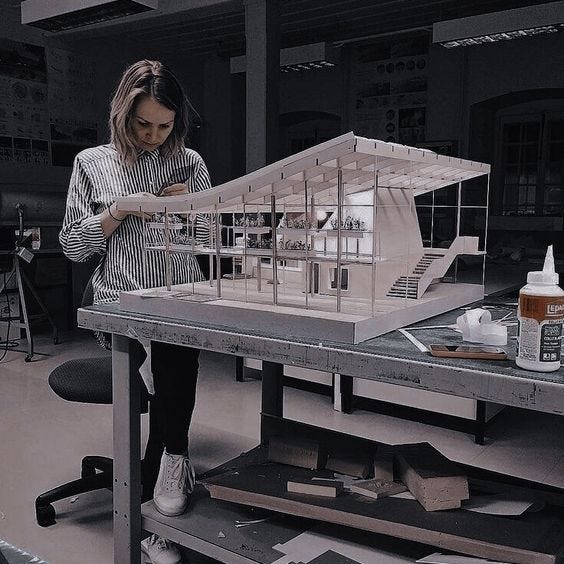
From architecture school and through an architect’s career, models are made to understand more clearly the relationship between spaces and how areas interconnect.
It is also a way to understand how sunlight will play a role in the design as well as colors and finishes.
Many times we will show a client a model so they can understand how the final design will look.
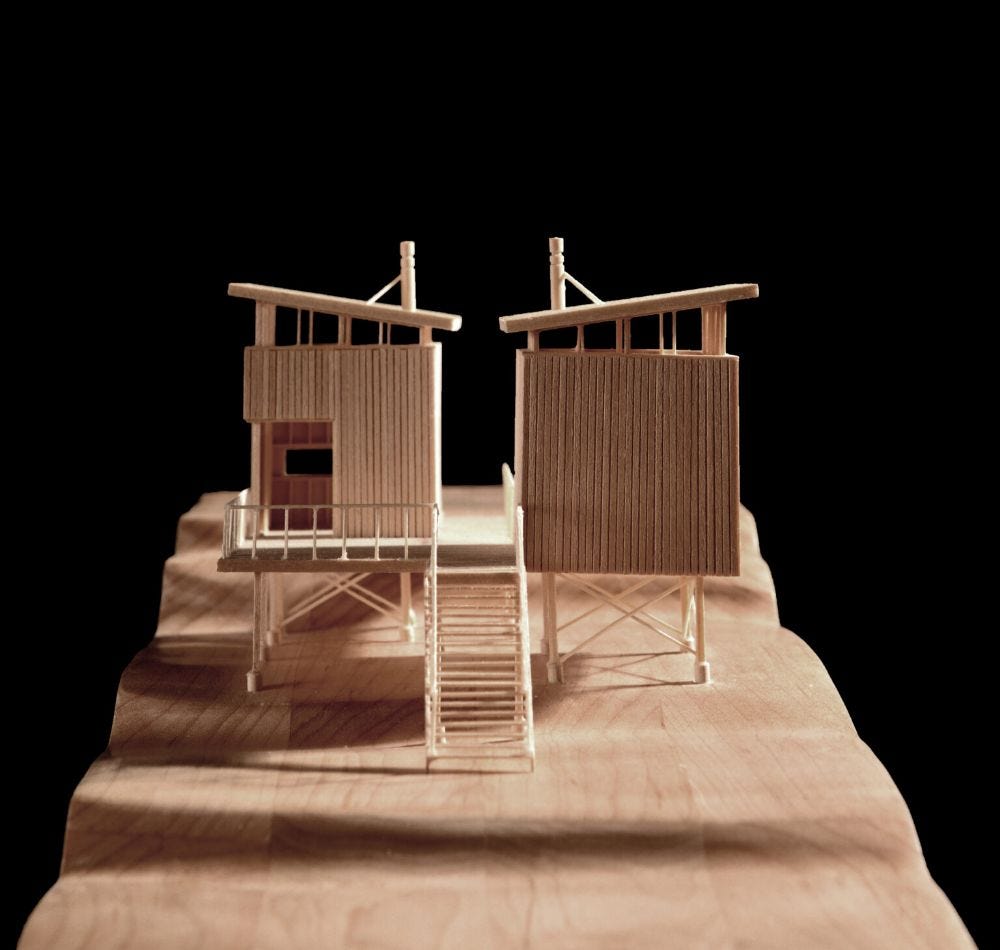
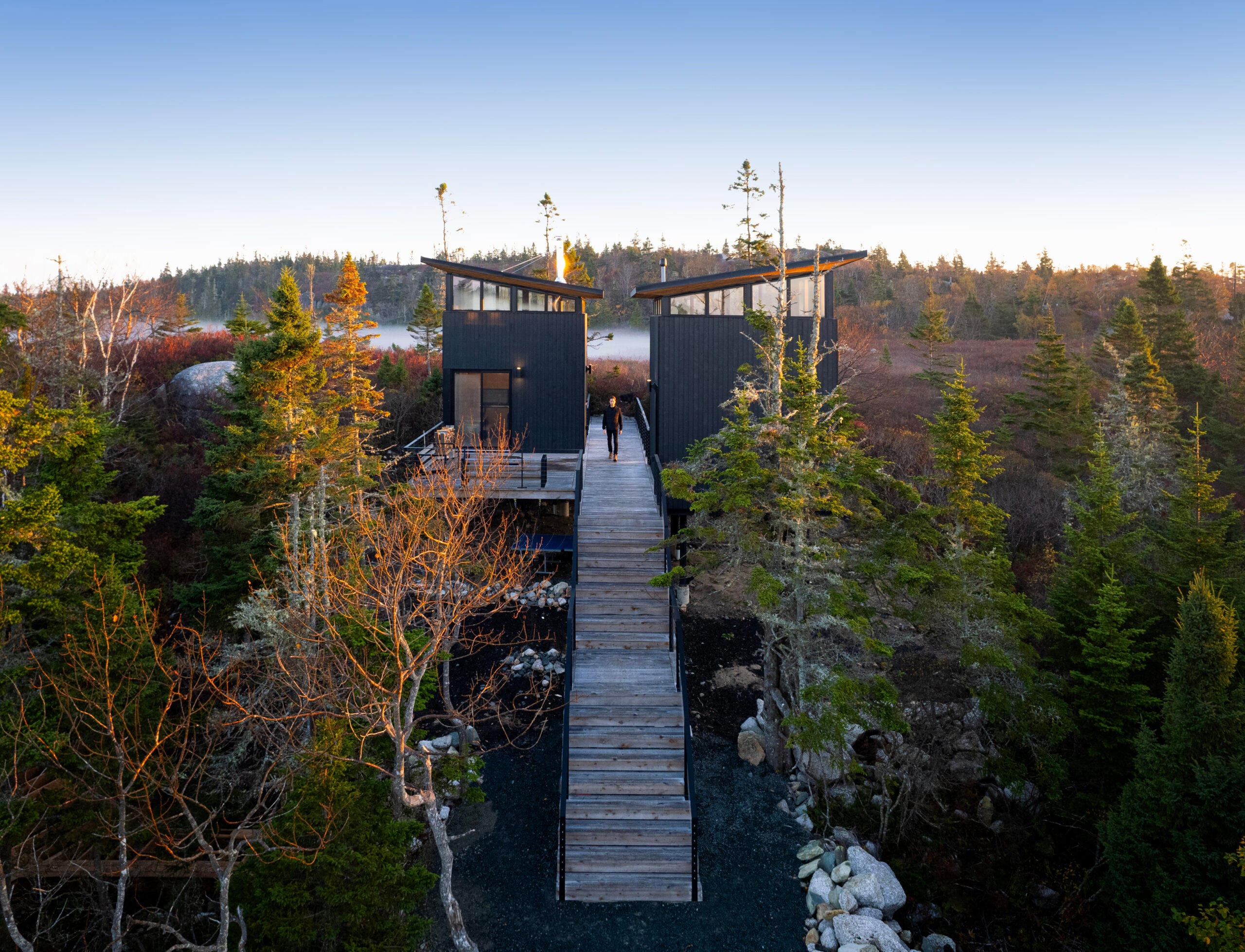
Models can me made by a professional model maker or in an office with a team of model makers or sometimes by an individual designer or architect.
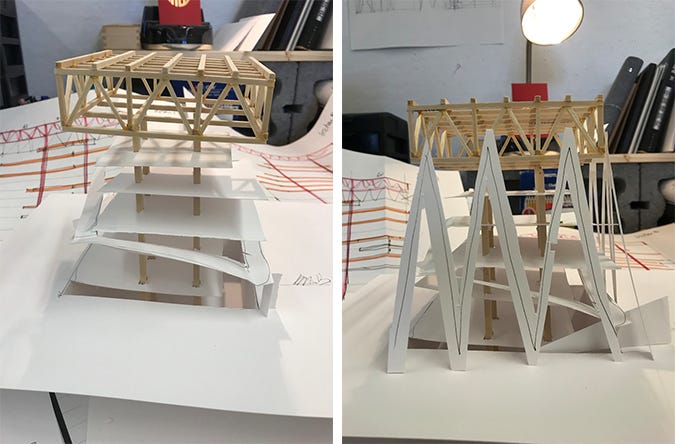
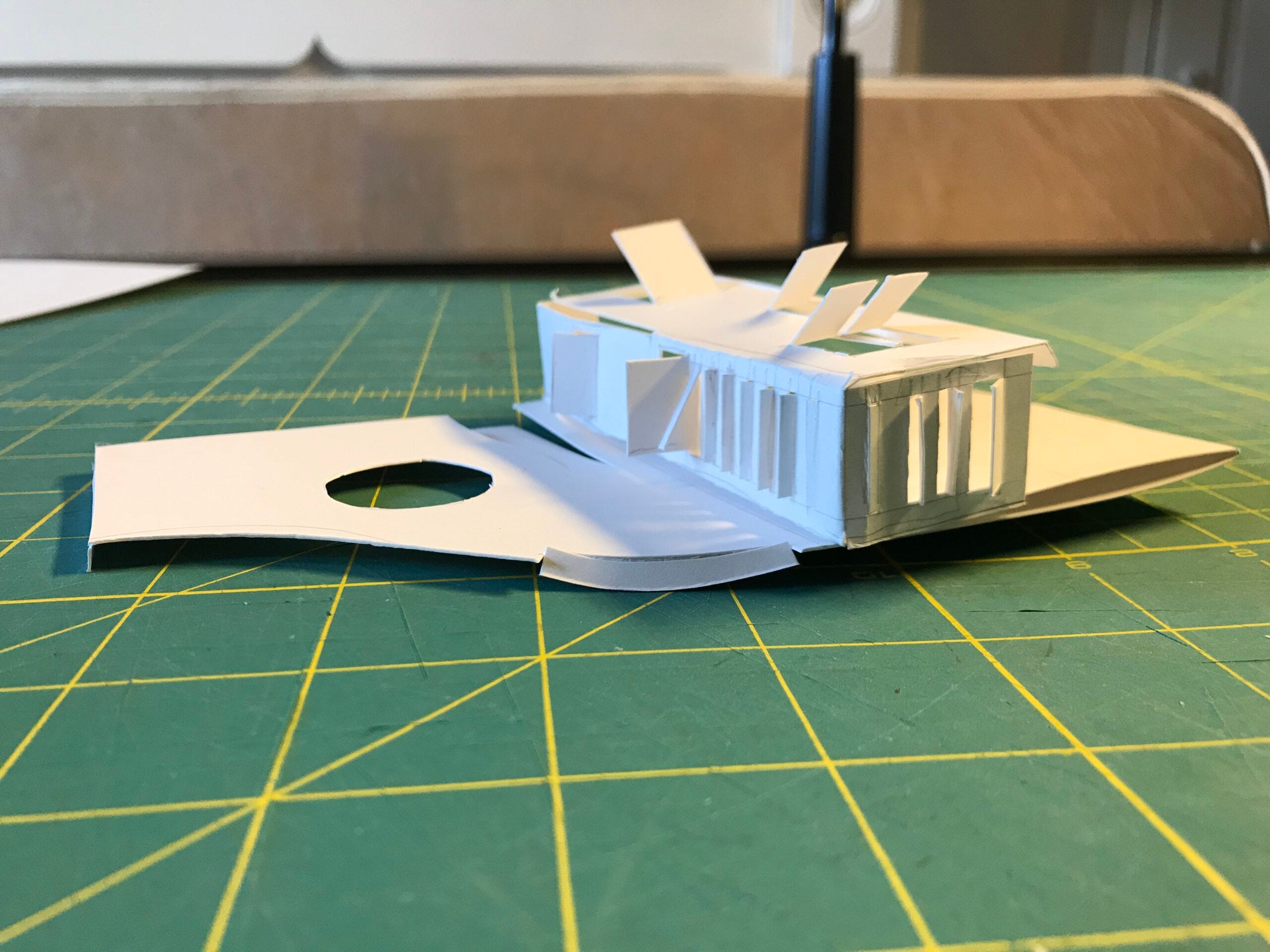
Architects will also make sketch models to see how the design will look, if it is seen in three dimensions the way it was in their mind or shown in their sketches.
With a sketch model you can play around with different ideas and look at your idea from different angles.

Below is a professional model created to review and understand the Delft Library design for the University of Technology in the Netherlands.
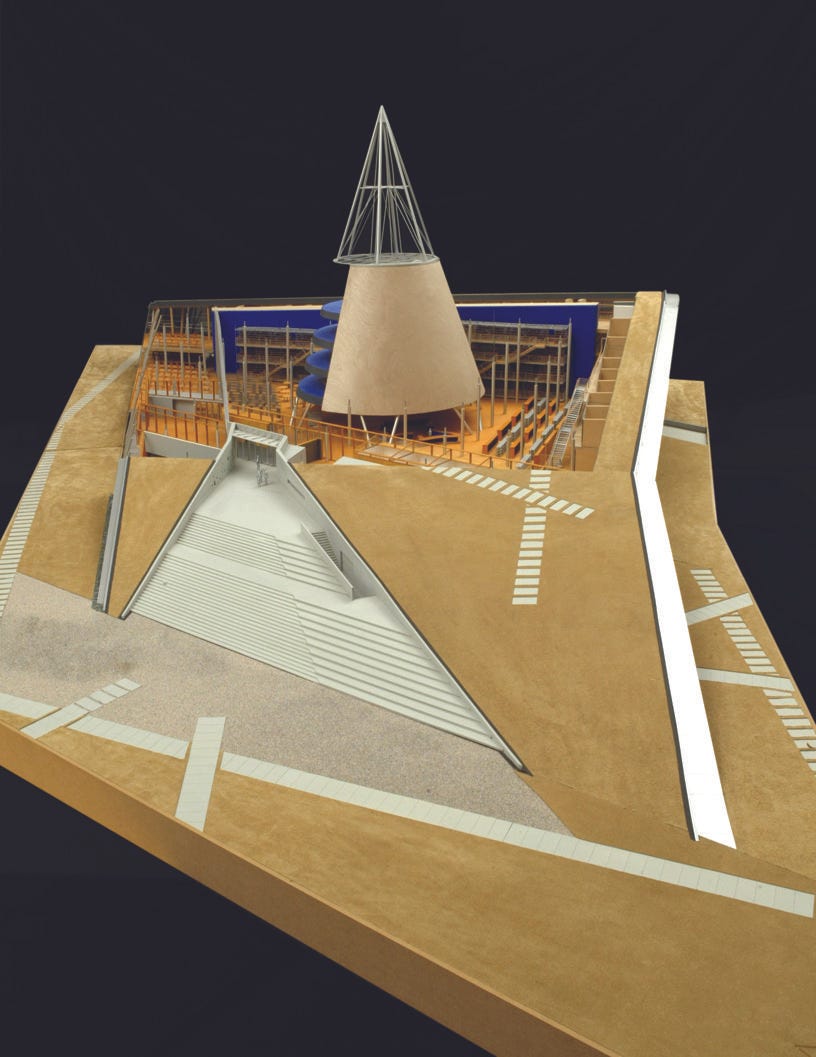
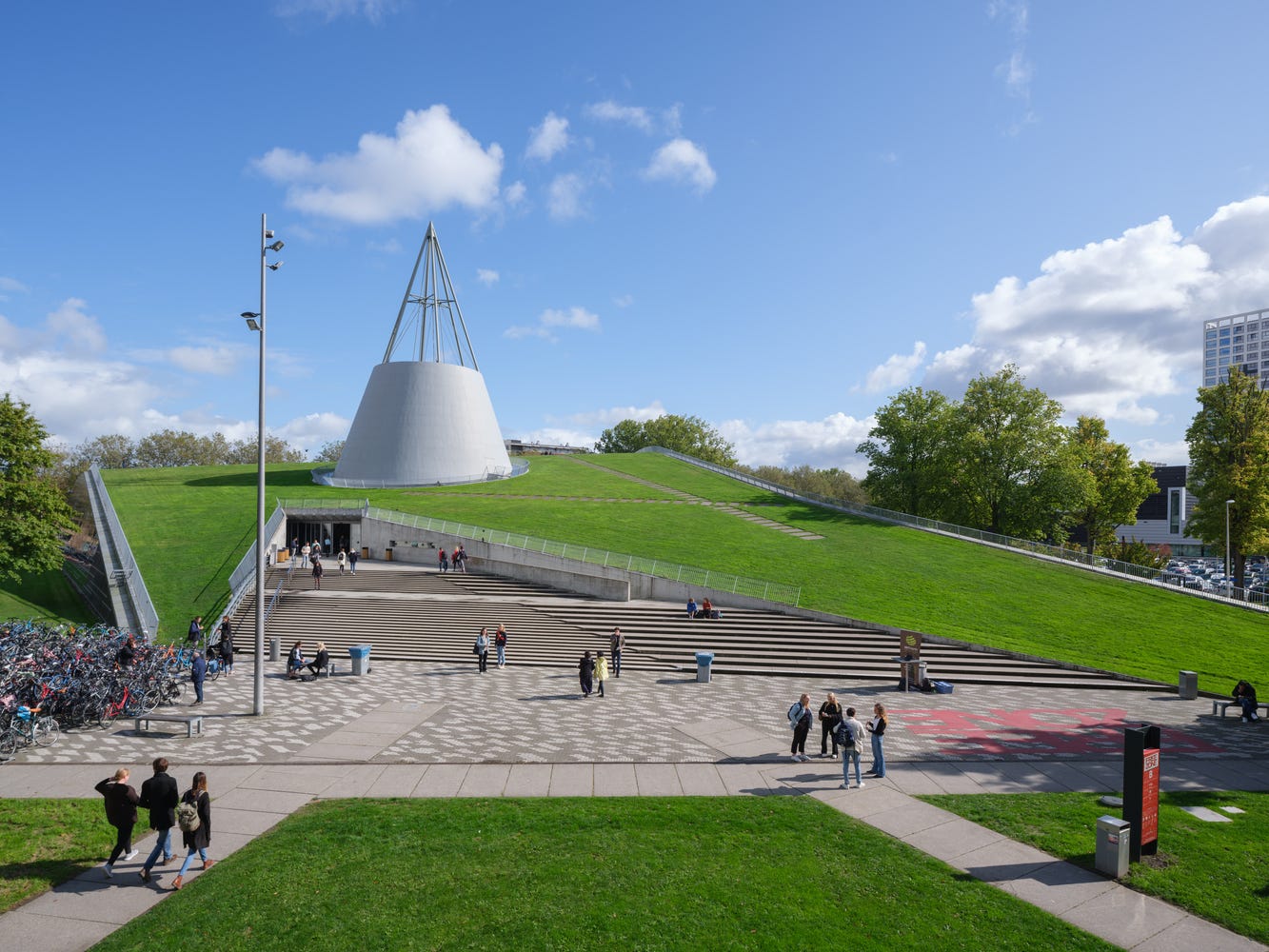
The model above is able to show the interior as well as the exterior of the building. To see more photos of this building, which is very well designed, go to ArchDaily.
Wilson Butler Architects in Boston has a model making department called the Model Shop.
The model below was created to understand one part of the cruise ship “Star of the Seas”.
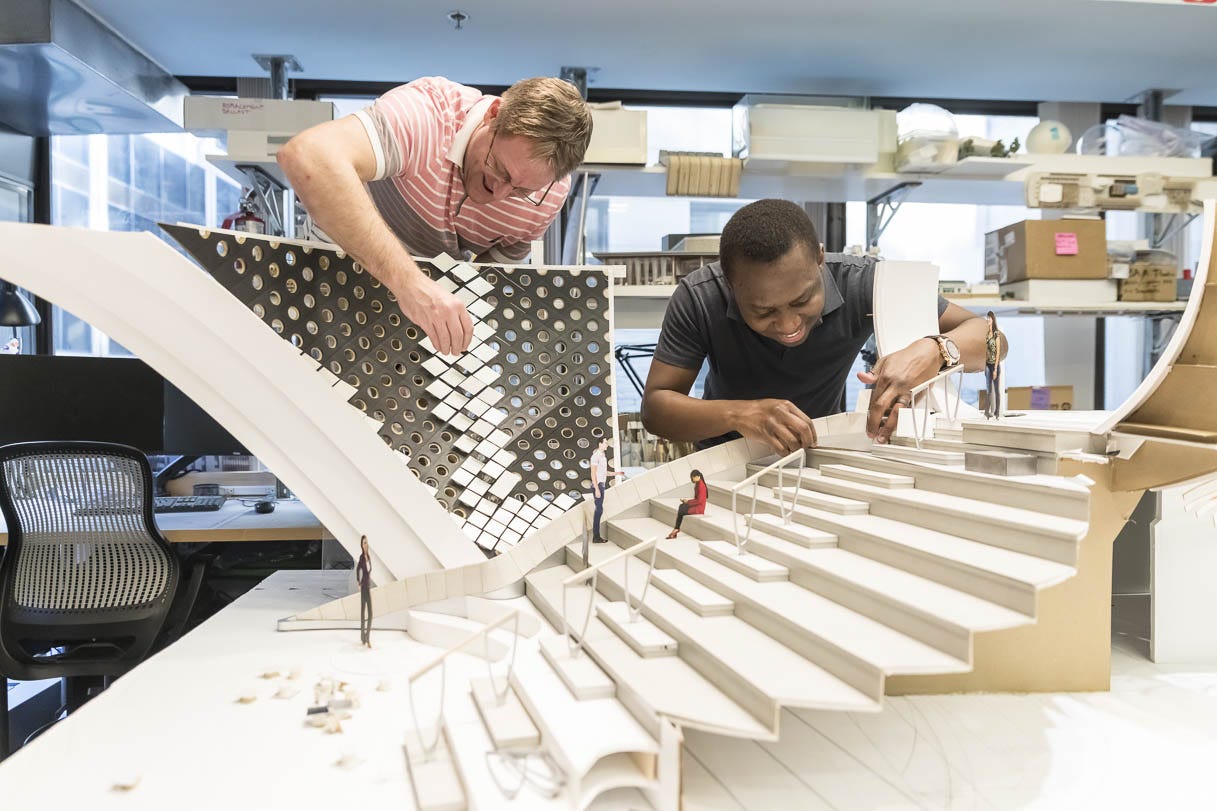
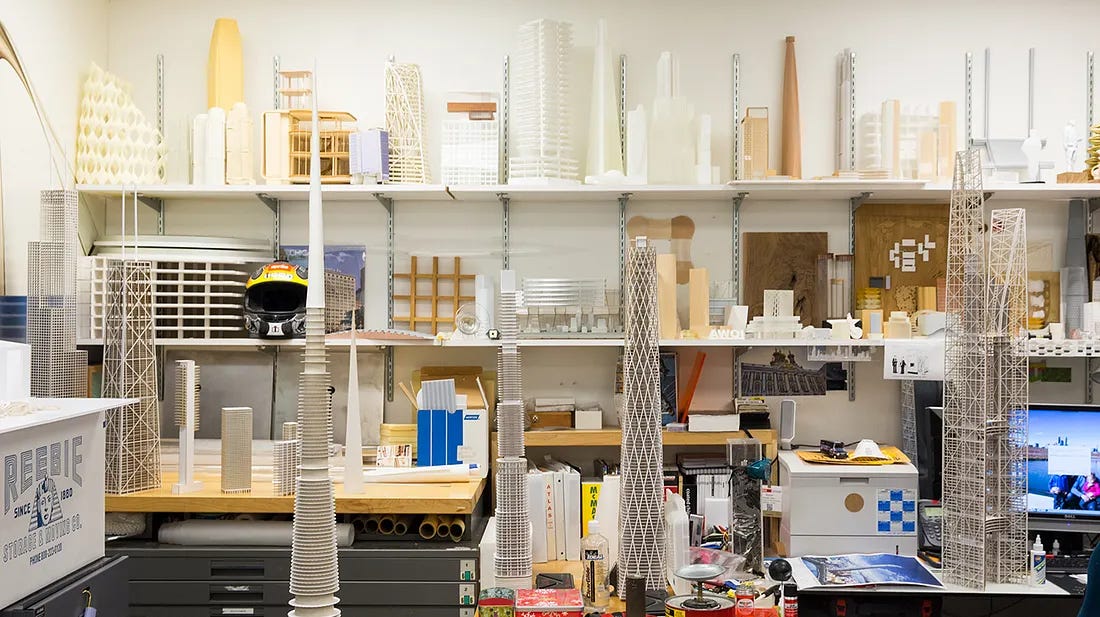
The architecture firm Skidmore, Owings and Merrill, usually referred to as SOM, also has its own model shop.
Below are some of the models they have created for various projects.
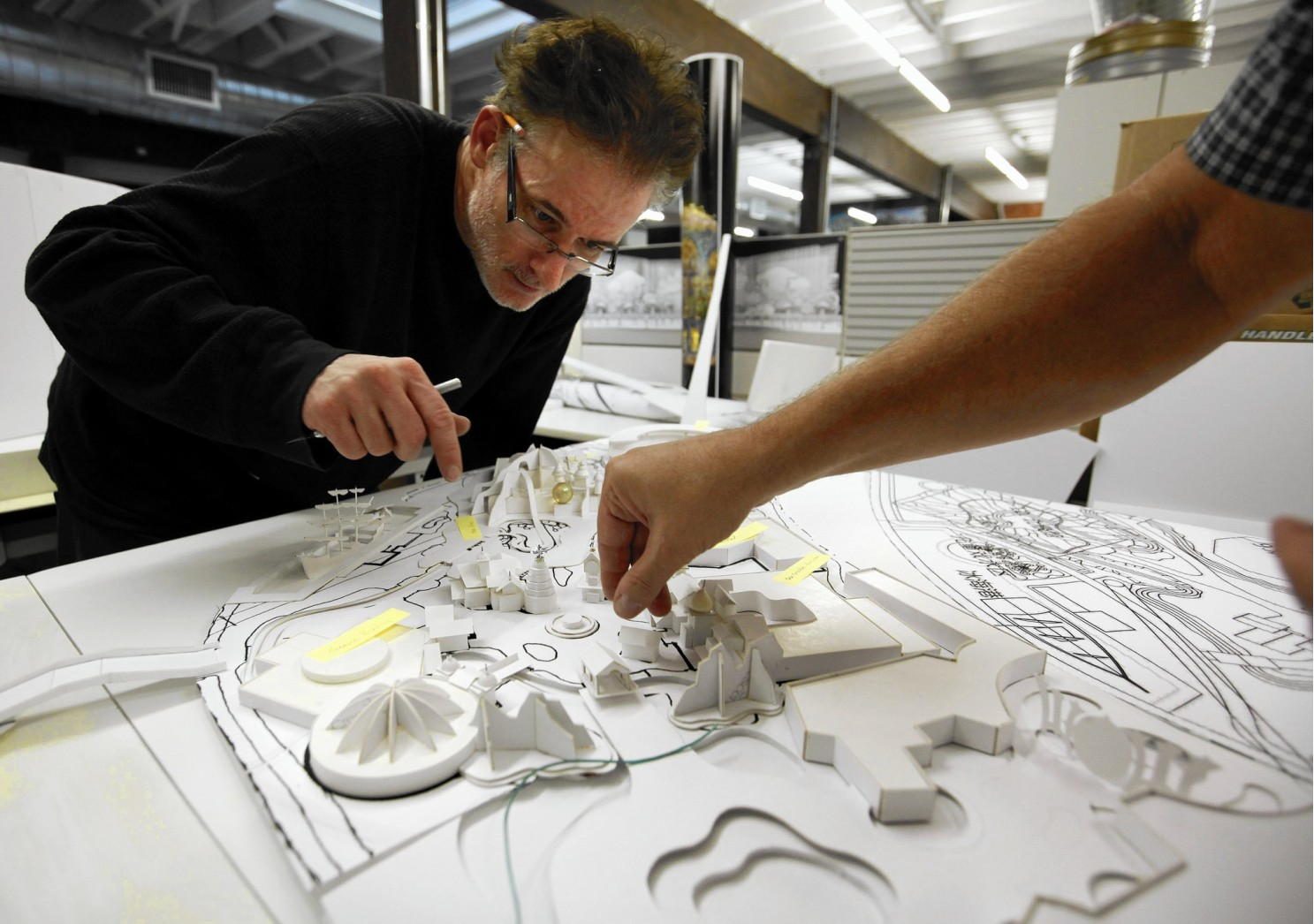
Models are also made to aid in designing amusement parks.
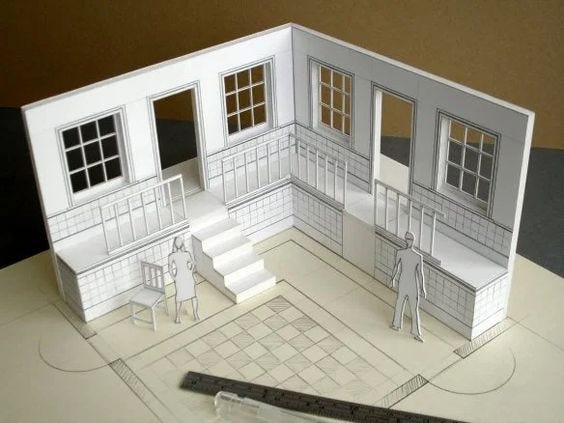
Stage and set designers use models to determine views from an audience, lighting, colors and materials.
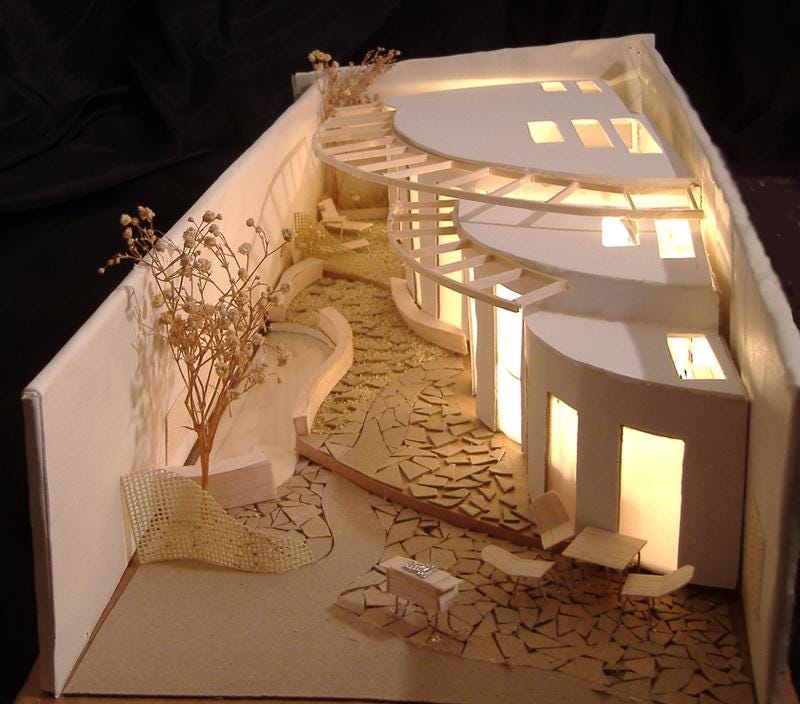
I find model making fun and while working on a model, I begin to develop my design in ways I might not have done if I was to only draw.
The house below is called the Seashell House and I like this model because the designer was very creative in their use of materials.
To follow are models that students have made.
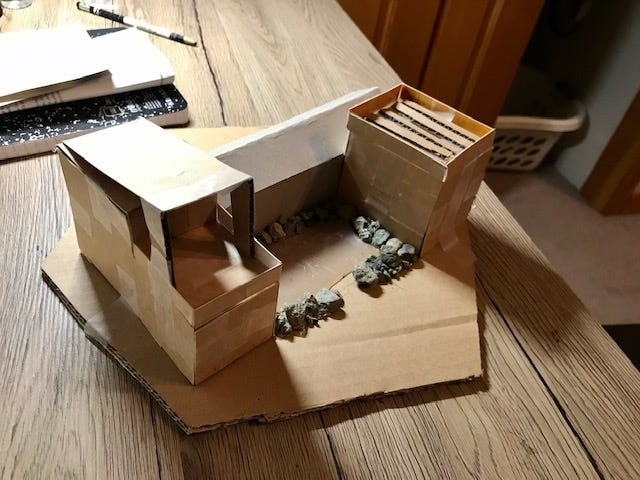
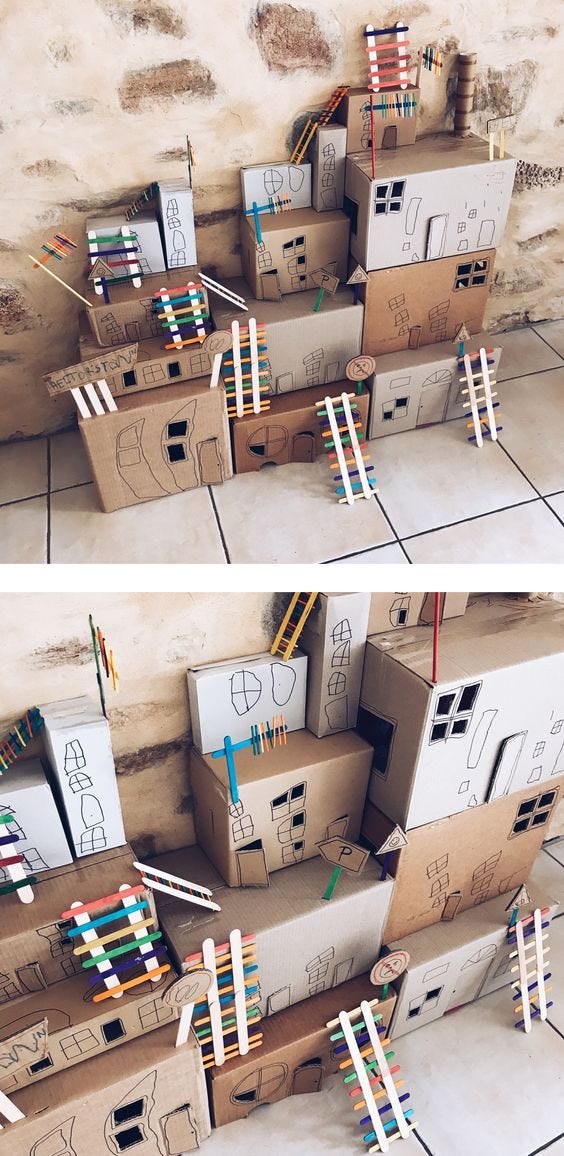

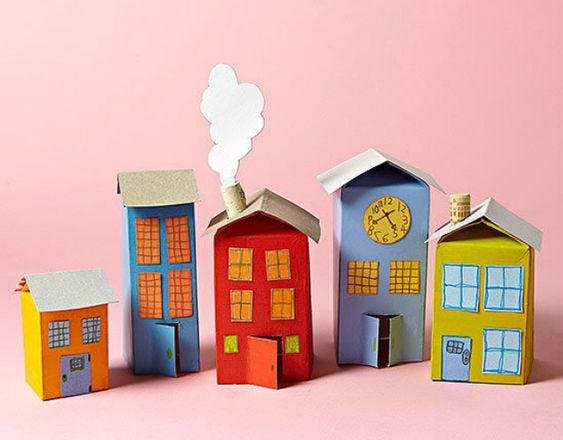
You can use different materials around your home such as pieces of plastic, empty paper towel rolls, pieces of screen, empty cardboard boxes, empty oatmeal cardboard containers (they make great castle turrets along with paper towel cylinders), pieces of fabric…the list goes on.
With simple materials, scissors, a pencil and tape, you can make just about anything.
Here are two ideas for using leftover items.
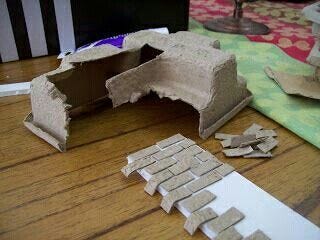
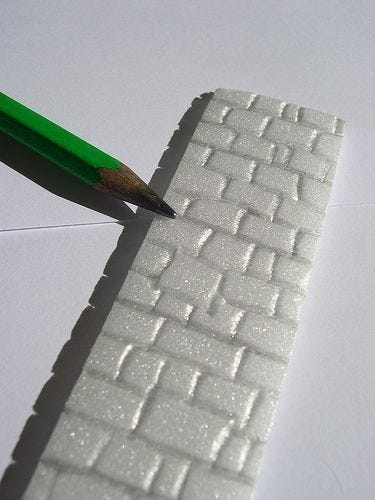
Maybe a water park slide?
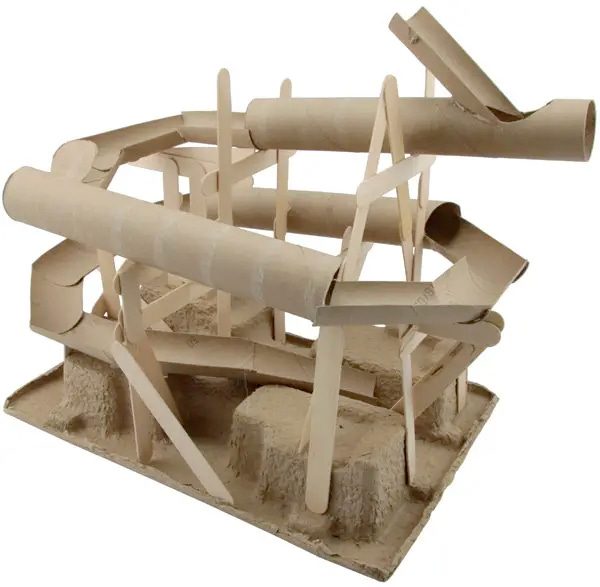
Another fun idea for maybe an amusement park ride.

As you can see, you can bring to life your ideas using simple materials around you.
Have fun!
Dora Taylor
Post script: Please feel free to share your models with me, with the approval of a parent or guardian, and I will post them on this site.